Why Women’s Health After 30 Matters
Women’s health after 30 deserves more attention as your lifestyle, fitness, sleep, nutrition and stress levels can change.
Your 30s can be a busy stage of life. Work, family, children and personal responsibilities can make it difficult to find time for yourself.
You may also notice changes in energy, weight, sleep, mood, strength or recovery after exercise.
These changes do not automatically mean that something is wrong. However, they are a good reason to make your health a priority.
A healthy lifestyle after 30 is not only about losing weight. It is about building strength, maintaining mobility, eating well, sleeping properly, managing stress and developing habits that can support your health for years to come.
Women’s Health After 3
Every woman is different. Genetics, lifestyle, pregnancy history, family history and existing health conditions can all influence your health.
However, there are several areas that women’s health after 30 can pay closer attention to.
1. Maintain a Healthy Weight
Changes in activity levels, eating habits, sleep and daily routines can make weight management more challenging for some women.
Instead of focusing only on the weighing scale, focus on why women’s health after 30 .
A balanced approach can include:
•Regular physical activity
•Strength training
•Walking
•Nutritious meals
•Adequate protein
•Good sleep
•Stress management
Avoid extreme diets that are difficult to maintain. A sustainable lifestyle is usually a better long-term approach.
2. Build Strength and Muscle
Strength becomes increasingly important as you get older women’s health after 30.
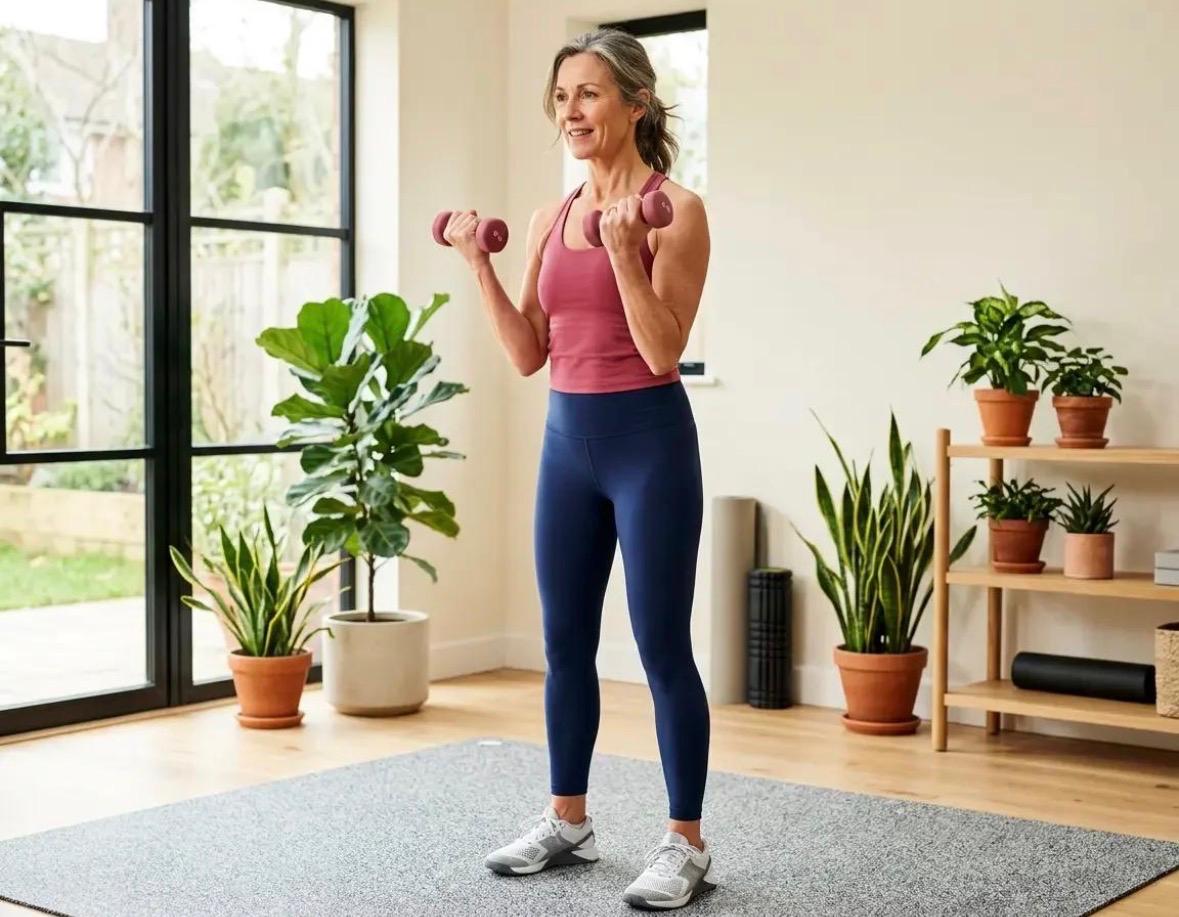
Strength training can help support muscles, physical function and bone health. It can also make everyday activities such as climbing stairs, carrying groceries and playing with children easier.
You do not need an expensive gym membership.
Depending on your fitness level, you can use:
•Bodyweight exercises
•Resistance bands
•Light dumbbells
•Squats
•Modified lunges
•Core exercises
•Pilates
•Functional training
If you are new to exercise or have a medical condition, start gradually and seek professional guidance when appropriate.
3. Stress is an important part of why women’s health after 30
Many women manage several responsibilities every day. Work, family and financial responsibilities can leave little time for relaxation.
Regular physical activity can be one useful part of a healthy stress-management routine.
Walking, yoga, Pilates, meditation and enjoyable forms of exercise can help create time for movement and relaxation.
However, exercise should not replace professional mental-health care when it is needed.
4. Improve Sleep
Good sleep is essential for overall health.
Women in their 30s generally need around 7–9 hours of sleep each night.
Poor sleep can affect energy, concentration, mood, exercise motivation and eating habits.
Try these simple habits:
•Keep a regular bedtime.
•Create a relaxing evening routine.
•Reduce unnecessary screen time before bed.
•Keep your bedroom comfortable and quiet.
•Avoid heavy meals close to bedtime.
•Include gentle stretching or meditation if it helps you relax.
If you regularly have difficulty sleeping, speak with a healthcare professional.
5. Hormonal health is another consideration why women’s health after 30
Some women may experience changes in menstrual cycles, PMS symptoms, mood, fertility or other symptoms.
Conditions such as PCOS can also affect some women’s health after 30.
Symptoms can have many different causes, so persistent changes should not simply be blamed on age or lifestyle why women’s health after 30 matters.If you notice significant or ongoing changes in your menstrual cycle or other symptoms, speak with a qualified healthcare professional.
6. Take Care of Bones and Joints
Strong muscles and healthy bones are important throughout adulthood.
Regular strength training and weight-bearing physical activity can support physical function and bone health.
Low-impact activities can also be useful if you are beginning an exercise programme.
Examples include:
•Walking
•Yoga
•Pilates
•Swimming
•Cycling
•Resistance-band exercises
If you experience persistent joint pain, swelling or significant discomfort, get appropriate medical advice before continuing exercise.
7. Focus on Nutrition
Nutrition plays a major role in a healthy lifestyle.
Instead of following restrictive diets, focus on a balanced pattern of eating.
Try to include:
•Vegetables
•Fruits
•Whole grains
•Protein-rich foods
•Beans and lentils
•Nuts and seeds
•Healthy sources of fats
•Adequate water
Protein is particularly useful when combined with strength training because it supports muscle maintenance.
Individual nutritional needs can vary. Pregnancy, breastfeeding, medical conditions and dietary restrictions may require personalized advice from a qualified professional women’s health after 30 matters.
How Much Exercise Do Women Over 30 Need?
One of the most important parts of women’s health after 30 is regular physical activity.
General physical-activity guidelines recommend at least 150 minutes of moderate-intensity aerobic activity per week, or 75 minutes of vigorous activity, along with muscle-strengthening activities on at least two days each week.
You do not have to complete all your activity in long sessions.
Shorter sessions throughout the week can also help you build a consistent routine.
For more information, see the [U.S. Office on Women’s Health physical activity guidance].
A Simple Weekly Fitness Plan for Women’s Health after 30
Here is a simple
example of how you could structure your week.
Day
Activity
Monday
Strength training – 30 minutes
Tuesday
Brisk walking – 30 minutes
Wednesday
Yoga or Pilates – 30 minutes
Thursday
Strength training – 30 minutes
Friday
Brisk walking – 30 minutes
Saturday
Zumba or enjoyable cardio
Sunday
Rest, stretching or gentle walking
This is only an example. Your programme should be adjusted according to your fitness level, goals and health requirements.
Preventive Healthcare for Women’s Health After 30
Fitness is important, but it should complement regular healthcare.
Women should discuss appropriate preventive healthcare with their doctor based on their age, family history, personal medical history and individual risk factors.
Depending on your circumstances, preventive healthcare may include discussions about:
•Blood pressure
•Vaccinations
•Cervical cancer screening
•Breast health
•Mental wellbeing
•Family history
•Reproductive health
Screening recommendations can change with age and individual risk, so follow the advice of your healthcare professional.
For reliable information, refer to the [U.S. Office on Women’s Health After 30].
Improving women’s health after 30 does not require changing everything overnight.
Start with these seven habits:
1.Move your body every day.
2.Strength train at least twice a week.
3.Eat a balanced diet.
4.Drink enough water.
5.Aim for 7–9 hours of sleep.
6.Make time for stress management.
7.Keep up with appropriate preventive healthcare.
Small improvements repeated consistently can create meaningful long-term changes.
Women’s Health After 30: Creating a Stronger and Healthier Lifestyle
Women’s health after 30 involves more than maintaining a healthy weight. It is about building a lifestyle that supports physical strength, energy, mental wellbeing, good sleep and long-term health.
Your 30s can be a busy period. Career responsibilities, family commitments and household responsibilities can make it difficult to dedicate time to yourself. However, making your health a priority can help you feel stronger and more confident in everyday life.
The key is to create realistic habits that you can maintain rather than following extreme diets or demanding exercise programmes.
Women’s Health After 30 and Daily Physical Activity
Regular movement is an important part of women’s health after 30. You do not have to spend hours in a gym to become more active.
Walking, climbing stairs, household activities, dancing and short home workouts can all contribute to your daily movement.
If you have a desk-based job, try taking short movement breaks during the day. A few minutes of walking or stretching can help break up long periods of sitting.
You can also choose activities that you genuinely enjoy. Zumba, yoga, Pilates, cycling, walking and strength training can make physical activity more enjoyable and sustainable.
## Strength Training for Women’s Health After 30
Strength training deserves special attention when discussing women’s health after 30.
Building and maintaining muscle can support everyday physical function and help you remain active as you get older. Strength exercises can include bodyweight movements, resistance bands, dumbbells and functional exercises.
Beginners can start with simple movements such as squats, modified lunges, wall push-ups and basic core exercises.
You do not need to lift heavy weights immediately. Start at a level that feels appropriate and gradually increase the challenge as your strength improves.
If you have an existing health condition, injury or persistent pain, seek appropriate professional advice before beginning a new strength-training programme.
Nutrition and Women’s Health After 30
Nutrition is another important part of women’s health after 30.
Instead of focusing on restrictive diets, aim for balanced meals that provide a variety of nutrients. Include vegetables, fruits, whole grains, protein-rich foods, beans, lentils, nuts and seeds as appropriate for your individual dietary needs.
Protein can be particularly useful when combined with strength training because it supports muscle maintenance.
Hydration also matters. Drinking enough water throughout the day can support normal body functions and help you maintain your energy during daily activities.
Rather than trying to completely change your diet overnight, make one improvement at a time.
Sleep and Stress Management
Good sleep and stress management are often overlooked when considering women’s health after 30.
Busy schedules can make it tempting to sacrifice sleep, but adequate rest is important for overall wellbeing. Try to maintain a consistent sleep schedule and create a relaxing evening routine.
Stress management is equally important. Meditation, yoga, breathing exercises, walking or simply spending some quiet time away from daily responsibilities can help you create a healthier balance.
If you experience persistent sleep problems, severe stress or significant changes in your mood, consider discussing your concerns with a qualified healthcare professional.
Building Long-Term Healthy Habits
The most effective approach to women’s health after 30 is one that you can continue for years.
You do not need to be perfect. Missing one workout or having an occasional less nutritious meal does not mean that you have failed.
Focus on what you do consistently.
Set small goals such as exercising two or three times a week, walking regularly, improving your meals, sleeping at a consistent time and making space for relaxation.
Over time, these small habits can become part of your everyday lifestyle.
Make Women’s Health After 30 a Priority
Your health deserves the same attention that you give to your career, family and other responsibilities.
Whether your goal is to improve fitness, build strength, manage your weight, increase energy or simply feel better, start with realistic steps.
At Agrona Fitness, we believe that fitness should be practical, enjoyable and adaptable to your lifestyle. Home-based workouts, yoga, Pilates, Zumba, strength training and personal training can all be incorporated into a programme based on your individual goals.
Remember that women’s health after 30 is not about achieving perfection. It is about making better choices consistently and giving your body the movement, nutrition, rest and care it deserves.
Start with one small change today. Stay consistent, listen to your body and make your health a priority.
How Agrona Fitness Can Help
At Agrona Fitness, we understand that many women over 30 have busy schedules and may not feel comfortable spending hours in a traditional gym.
Our fitness programmes are designed to make exercise more practical and accessible.
You can explore:
•Personal training
•Online fitness training
•Weight loss programmes
•Yoga
•Zumba
•Pilates
•Meditation
•Strength training
•Mobility and functional workouts
If you are looking for fitness for women’s health after 30, the goal should not be perfection.
The goal is to create a routine that fits your lifestyle and helps you become stronger, healthier and more confident.
Explore our [Weight Loss Program], [Yoga Program], [Zumba Program] and [Personal Training] options.
Building a Healthy Routine for Women’s Health After 30
A healthy routine can make a meaningful difference to women’s health after 30. You do not need to change everything at once. Small, realistic improvements can become lasting habits when you follow them consistently.
Start by choosing two or three simple goals. You might decide to walk for 30 minutes, exercise several times a week, drink more water, improve your meals or establish a regular sleep schedule.
Make Fitness Part of Your Lifestyle
Exercise should become a regular part of your lifestyle rather than something you do only when you want to lose weight.
For women’s health after 30, choosing enjoyable activities can make it easier to stay consistent. Walking, yoga, Pilates, Zumba, strength training and home workouts can all be useful options.
If you have a busy day, even a short workout can be worthwhile. You can gradually increase your activity as your fitness improves.
Give Your Body Time to Recover
Recovery is an important part of a healthy fitness routine.
Your body needs adequate rest, nutrition and sleep to recover from physical activity. Avoid pushing yourself through significant pain or unusual exhaustion.
Include rest or lighter-activity days in your weekly routine. Gentle walking, stretching, yoga or mobility exercises can be useful on recovery days.
Set Realistic Health Goals
Your health goals should be specific, realistic and achievable.
Instead of saying, “I want to become completely fit,” choose a measurable goal such as:
– Walk for 30 minutes five days a week.
– Complete two strength-training sessions each week.
– Drink more water throughout the day.
– Include vegetables and protein in regular meals.
– Establish a consistent bedtime.
– Spend 10 minutes practicing relaxation or meditation.
Small goals are easier to maintain and can gradually become part of your lifestyle.
Remember That Every Woman Is Different
There is no single exercise programme or diet that works for every woman.
Your fitness level, lifestyle, preferences, medical history and personal goals all matter. What works for one person may not be appropriate for another.
This is particularly important when thinking about women’s health after 30, because individual needs can vary considerably.
Listen to your body and seek professional guidance when you have specific health concerns or are unsure whether an exercise programme is suitable for you.
Make Your Health a Priority
Women often spend much of their time taking care of other people. Work, family and household responsibilities can make personal health feel less important.
But taking care of yourself is not selfish.
Making time for exercise, nutritious food, adequate sleep and relaxation can help you feel stronger and more energetic in everyday life.
Your health deserves a place on your schedule.
Start with one small change today and build from there.
Frequently Asked Questions About Women’s Health After 30
Is it harder to lose weight after 30?
Weight management can become more challenging for some women because activity levels, sleep, muscle mass, lifestyle and eating habits can change. A combination of regular exercise and balanced nutrition can support healthy weight management.
What is the best exercise for women over 30?
There is no single best exercise for every woman. A balanced routine can include strength training, aerobic exercise and mobility activities such as yoga or Pilates.
How often should women over 30 exercise?
General guidelines recommend at least 150 minutes of moderate aerobic activity each week and muscle-strengthening activities on at least two days per week.
Can women over 30 start strength training?
Yes. Strength training can be an important part of a fitness routine. Beginners should start at an appropriate level and gradually increase the challenge.
How much sleep do women over 30 need?
Women in their 30s generally need around 7–9 hours of sleep each night.
Can exercise help with stress?
Regular physical activity can support mental wellbeing and may help improve mood and sleep. However, persistent or severe mental-health concerns should be discussed with a qualified healthcare professional.
Can I exercise at home instead of going to a gym?
Yes. Walking, bodyweight exercises, resistance bands, yoga, Pilates and dance-based workouts can all be performed at home with appropriate modifications.
Final Thoughts
Women’s health after 30 is about much more than weight loss.
It is about building strength, protecting your physical health, eating nutritious food, getting enough sleep, managing stress and creating habits that you can maintain.
You do not need an extreme workout programme.
You do not need a crash diet.
You need a realistic routine that fits your lifestyle.
Start small, stay consistent and make your health a priority.
For More Information Stay Tuned,
Agrona Fitness — helping women build a stronger, healthier and more confident lifestyle.
Medical Disclaimer
This article is for general educational purposes only. It is not intended to diagnose, treat, cure or prevent any disease or medical condition. Exercise and nutrition recommendations should be individualized. If you have a medical condition, are pregnant or postpartum, experience significant pain, or are unsure whether an exercise programme is appropriate for you, consult a qualified healthcare professional before starting or changing your exercise routine.
Recommended External Sources
•U.S. Office on Women’s Health — Healthy Living in Your 30s
•U.S. Office on Women’s Health — Physical Activity
•U.S. Office on Women’s Health — Healthy Eating
•CDC — Physical Activity Guidelines